
Every year businesses lose goods simply because they did not load their product correctly or they were trying to cut corners, which means more cost to their business. Training new employees, educating current employees about new shipping methods, and avoiding shortcuts will help your goods stay on the pallet and reduce losses. Western Packaging is well versed in large pallet shipping using stretch film and has a few tips on you can secure your pallet loads with minimal losses.
What Is The Purpose of Pallet Shipping?
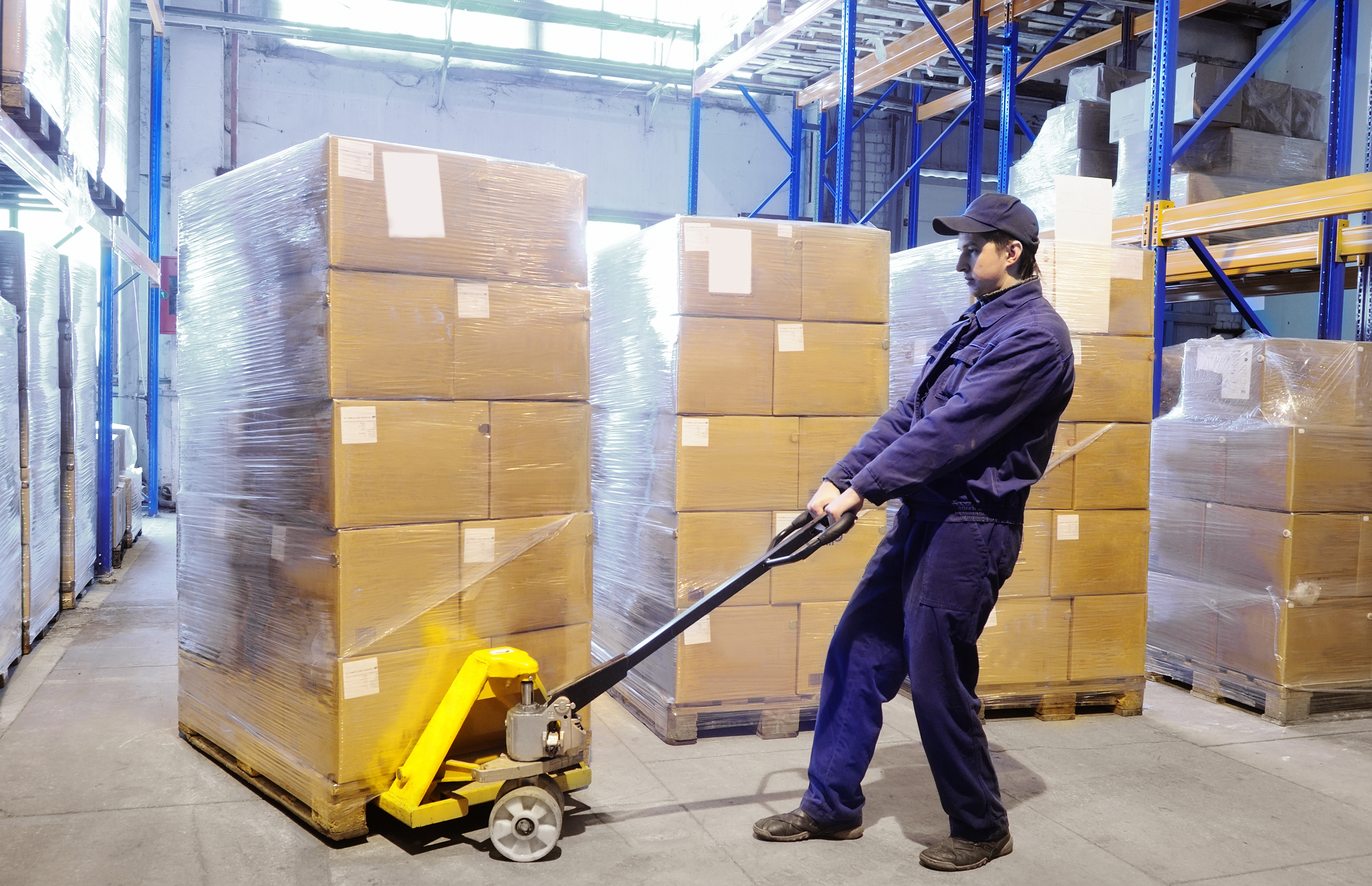
Pallet loads are generally used for the large freight loads that you want to keep secure during shipment. Pallet shipments are also known as skid shipping and are more often loaded with a forklift but also by hand.
This type of shipment is affordable and uses the pallet as a strong base to transport your goods. Many businesses ship pallets because they provide an efficient and cost-effective solution for freight shipping.
Whether you are loading them with a forklift or by hand it is a good idea to make sure that you are loading them efficiently and correctly to meet your shipping needs.
The Right Pallet Is Key
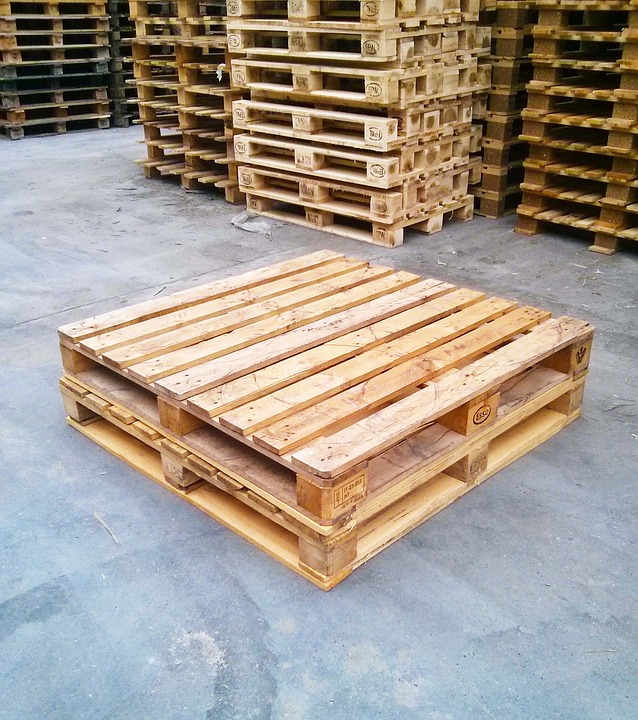
Choosing the right pallet for whatever you are shipping is key. The pallet is the foundation for your shipment and it should be taken seriously. Avoid pallets made of slick material to avoid products slipping around during shipping.
Choose a strong wood frame appropriate for the weight that you are shipping. A typical pallet is 48”x40” and can hold 4,600 pounds. You will want a pallet that you can get access to with a forklift on all four sides for ease. Selecting the proper pallet type for your products is also important to ensure stability and support throughout transit.
How to Properly Stack a Pallet
When stacking your goods many people make the mistake of stacking just according to shape but weight is the first thing to consider. Place the heaviest items on the bottom with the lightest on the top. This will help to avoid your pallet load from tipping and help prevent shifting during transportation.
Invest In Quality Wrapping
Your wrapping strategy is the frontline defense for your pallet load, and it’s a game you can’t afford to lose. Choosing high-quality stretch wrap is like selecting armor for your cargo. It adds an extra layer of protection that can make all the difference during transit and helps reduce the risk of damage.
The Bottom-Up Approach
Start wrapping the pallet from the bottom. Secure the foundation with precision. This approach creates a stable base. It sets the stage for a secure and well-protected pallet load. As you work your way up, maintain consistent tension to ensure a snug fit around each layer.
Layer by Layer Excellence
Approach the wrapping process layer by layer. Ensure each revolution overlaps the previous one. This layering technique reinforces the strength of the wrap. It creates a cohesive and resilient shield around your pallet load. The detail in each layer transforms a wrapped pallet into a fortress of protection.
Securing Odd Shapes and Edges
Give extra care during wrapping for irregularly shaped items. Also, do so for those with protruding edges. Use additional layers or padding to envelop these elements. Ensure they expose no vulnerable points. This meticulous approach guarantees comprehensive protection for every facet of your cargo.
Regular Inspections for Quality Assurance
Even the most robust wrapping can only be protected if regularly inspected. Before your pallet load embarks on its journey, check thoroughly for any tears, loose ends, or potential weak points. Addressing these issues in advance safeguards your cargo against unexpected challenges en route.
Shrink Wrap With Care
Improper shrink wrapping can literally be the downfall of your shipment. Shrinkwrap comes in different thicknesses so that you can choose the right strength for the items you are shipping.
To prepare a pallet for shipping, you should wrap the shrink-wrap around a minimum of five times for proper protection and labeled in multiple places if it is fragile. Proper labeling is especially important when shipping fragile items to ensure they receive the appropriate handling throughout transit.
Straps and Banding
Straps are a great way to secure your pallet load shipment but if done incorrectly it will not secure much. Remember when wrapping your straps around the shipment to make sure they go through the forks. Tighten the straps with a band when you are done for extra security and a snug fit.
If you are shipping a pretty heavy load use metal banding instead of plastic as it is more durable. Again, a snug fit is the best fit so make sure they are tight around your load.
Mind the Protrusions
Pesky protrusions can be a challenge. For items extending beyond the pallet dimensions, use extra strapping or bundling. This will bring everything into a neat package. This protects the protruding items. It also ensures a streamlined profile for your entire pallet load.
Strapping for Odd Shapes
Not everything fits the pallet mold. For irregularly shaped items, use strapping to create a secure cocoon. Crisscross straps over and under the items, locking them in place. This technique is the equivalent of a tailored suit for your cargo.
Regular Checks for Tightness
Before your pallet load hits the road, give those straps and bands a final once-over. Ensure they are taut and in the right position. Regular checks for tightness mean fewer surprises during transit. They ensure a more secure journey for your cargo.
Keep It Simple, Keep It Secure
Strapping and bundling don’t have to be complicated. Stick to simple techniques that get the job done. The goal is to create a web of support that keeps your pallet load together. This will ensure it arrives at its destination as you intended.
A little strapping and bundling go a long way. These steps can be the difference between a smooth delivery and a logistical headache. So, strap it right, bundle it up, and let your cargo arrive ready for whatever comes its way.
Time For Shipment
Before shipment, you can put an orange cone on top of your pallet load that will signal others not to stack anything on top of it. Make sure everything is properly labeled while packing so others are aware of any hazards. Make sure you have your Bill of Lading, this is your receipt and your shipment will not move without it.
If you are not moving your shipment yourself then choose the right shipping company. Do your homework, look at reviews, ask questions, and research well. Sometimes it doesn’t matter how well you have packed your shipment if the shipping company is careless and doesn’t take pride in their work. When you ship pallets through a reputable carrier, you can better meet your shipping needs and choose from a variety of shipping options that fit your budget and timeline.
We Can Help You
Western Packaging carries a wide variety of supplies to make sure your pallet loads are shipping safe and sound to their destination. If you have more questions or are in need of supplies for your agricultural business we got you covered. Whether you need materials to ship pallets from a warehouse or are looking for ways to improve shipping freight operations, our team can help. Businesses that regularly ship pallets rely on quality packaging materials to protect their products and streamline logistics. Give us a call today to discuss the best solutions for your shipping needs and learn how to ship pallets more efficiently.



Sorry, the comment form is closed at this time.