Stretch film, also known as stretch wrap, is a highly stretchable plastic film that is wrapped around items. It is frequently used to unitize pallet loads but can also be used to bundle smaller items. The different types of stretch film include bundling stretch film, hand stretch film, extended core stretch film, machine stretch film, and static dissipative stretch film.
Key Takeaways
- Stretch film is a highly stretchable polyethylene-based material used to unitize, stabilize, and protect pallet loads during storage and transportation.
- Blown stretch film offers higher strength, better load retention, and superior tear resistance, while cast stretch film provides clarity, quieter unwinding, and cost efficiency.
- Choosing the right film depends on load weight, application method, and performance needs, making material selection critical for supply chain efficiency.
- Stretch film plays a major role in reducing product movement, contamination risk, and handling damage across warehousing and logistics operations.
How it is Produced
Stretch film is a type of flexible film made from polyethylene, a polyolefin plastic material. It is commonly used to create stretch and shrink films. Linear low-density polyethylene (LLDPE) is the most common type, but high-density polyethylene (HDPE) and low-density polyethylene (LDPE) are also available.
There are two extrusion methods for producing stretch film. It can be blown or cast. Extrusion is the process of manufacturing stretch film and other flexible plastic products. This section will break down the two most commonly used extrusion processes for manufacturing stretch film. Knowing the process, benefits, and cost of each will allow you to better understand which might be best for your company, products, and needs.
Blown Stretch Film
When the stretch film is blown it means the resin is melted and extruded through an annular die. This forms a thin-walled tube that is then blown up like a balloon. The wrap/balloon is then air-cooled. This is a slower process, but it provides a high-quality film.
Because blown stretch wrap is more robust and resilient, it also allows for greater load-holding power. This type of wrap offers higher load and stretch capacity, higher memory, and better tear resistance for loads with sharp edges. However, the production cost tends to be higher with this method. The clarity of the wrap is poor due to crystallization and is more noisy when unwound from its roll.
Cast Stretch Film
Cast stretch wrap is a type of wrap made from thermoplastic material, melted and extruded through a cast extrusion process. When stretch film is cast it means the film is extruded through a slot die, and then it is passed over cooling rollers. This makes the cooling process quicker, but the quality of the film is not as high, and it is produced cheaper.
This type of wrap provides excellent clarity, reduced stretching force, increased tear resistance, quiet unwinding, and a superior two-sided cling. However, it lacks the load/holding power of blown stretch film and has less memory and tear resistance.
Benefits Of Using Stretch Film
With its numerous benefits, stretch film is a popular choice for companies worldwide to palletize and contain products for shipping and transportation. Unlike other materials like strapping, stretch film offers many advantages, including improved product containment and securing. This confidence in its effectiveness and value makes it a preferred choice for many businesses.
With its versatile applications, stretch film plays a crucial role in the world around us. Its use in delivering, transporting, and storing most products we use, eat, display, and store is often overlooked. There are countless products and uses for stretch film, making it a versatile and indispensable tool in various industries.
What is Stretch Film Used For
Stretch film can be used for many purposes and plays an important role in the world around us. Many people do not realize the part the stretch film plays in delivering and transporting most products that we use, eat, display, and store. There are hundreds of products and uses for stretch film.
Here is a list of products that are wrapped in stretch film for transportation, storage, and sometimes sales.
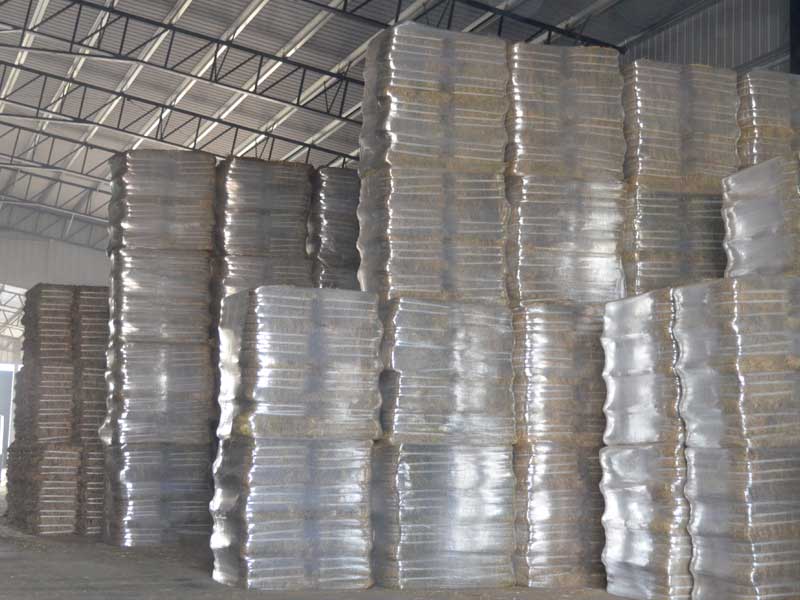
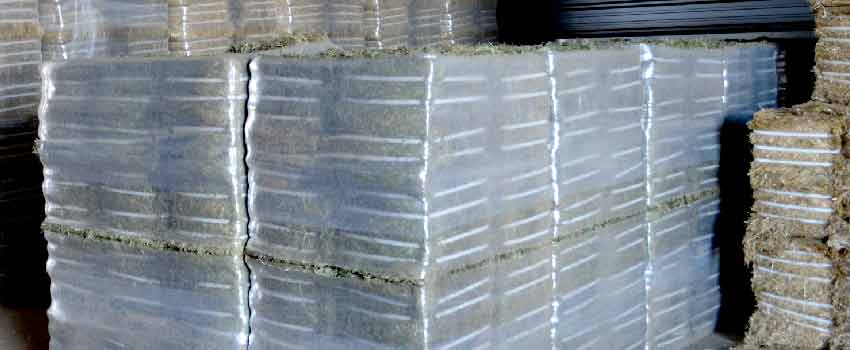
- Palletized Boxes- This is the most common and widely seen use of stretch film. Boxes of different sizes and weights are stacked on a pallet and wrapped with stretch film to keep them together.
- Buckets- Buckets of items such as paint, liquids, and dry goods are commonly wrapped with a heavier gauge stretch film to keep the contents in and from spilling.
- Wire Reels- The film can be used to unitize reels together and it can also be used to prevent the wires from unwinding.
- Canned Beverages- Another common use is to wrap around beverages. They are often stacked high, and they are heavy; using the film keeps them together and from falling over with being stored and delivery purposes.
- Furniture- Manufacturers and movers often use stretch film to secure the product, to keep it together, and to keep it from getting damaged while moving.
- Feed and Seed- Pallet loads of feed and seed or often very heavy. Depending on the weight of the pallet shrink film can be used to keep it stable.
Uses in Palettes
Making sure boxes stay on the pallets and are properly aligned is an important thing in warehouses. In pallet unitizing, stretch film has several functions that can include:
- Improved stability of products
- More efficient handling and storage of loads
- Some dust and moisture protection
- Some degree of tamper resistance
- Extend shelf life
How To Choose The Right Stretch Film For You
Choosing the best stretch film for your needs is not just important; it’s crucial. The right stretch film can ensure product stability, safety, and integrity during storage and transit. By understanding the basics of stretch film and your application needs, you can make an informed decision that will protect your palleted products, minimize damage, and reduce financial and product losses.
Understanding the basics of stretch film and your application needs will better equip you to select the ideal wrap for your business. Factors to consider include load type, product type, application methods, and cost.
Application
The application method you will use for your stretch film significantly impacts your ideal wrap type. Hand Rolls are ideal for low-volume packaging operations or where machinery is not feasible. On the other hand, Machine Rolls are ideal for high-volume environments, as they can apply the film faster and more consistently.
Product Weight and Type
Your ideal choice of stretch film will depend on the type of product you are wrapping and its weight. Light loads, like tissues or paper, can be handled with lighter gauge film. Medium loads, like canned goods, typically require medium gauge film for better performance. And heavy loads, like bricks or chemicals, will require heavy-duty film to accommodate increased weight and potential shifting.
Cost
Balancing cost with quality is crucial for selecting the appropriate material for your products and bottom line. Economic films are thinner, less durable, and suitable for light loads. Premium films, on the other hand, offer better durability, puncture resistance, and stretch for challenging load types.
Additional Points to the Existing Blog
One important factor not previously mentioned is sustainability and material efficiency. Many modern stretch films are designed to achieve higher performance with less material, which helps reduce plastic usage and overall shipping waste. In high-volume operations, even small improvements in film gauge or stretch performance can significantly reduce total material consumption over time.
Another consideration is load containment testing. Many manufacturers and distributors now use standardized testing methods to evaluate how well a stretch film performs under pressure, vibration, and transit conditions. This helps businesses select a film that minimizes product shifting and reduces damage claims throughout the supply chain.
Stretch film selection also increasingly ties into automation. Machine-applied films not only improve consistency but can also help reduce labor costs and improve wrap efficiency in distribution centers.
Industry Data and Insights
According to the U.S. Environmental Protection Agency, packaging optimization and source reduction strategies can significantly reduce overall material waste in industrial supply chains, especially when lightweight, high-performance plastics are used effectively. You can explore more about sustainable materials and waste reduction practices here:
Research in packaging logistics consistently shows that improved load stabilization and containment practices can help reduce product damage during transit, which directly lowers replacement costs and improves supply chain efficiency. This is one of the key reasons stretch film remains a widely adopted solution across industries.
Learn more about packaging solutions and materials from Western Packaging:
- Western Packaging Home
- Explore additional packaging solutions and industry insights on the Western Packaging site: Western Packaging
Call Us Today
Shrink film has many different purposes and can be used in ways most consumers do not think about. For more information contact us.


Sorry, the comment form is closed at this time.